How Can I Avoid Heat Exhaustion During Outback Activities?
There is something about the Australian outback that demands your full respect. The raw beauty, the silence, the wide skies stretching endlessly overhead. But what many first-timers underestimate is the heat. It is not just a bit warm out here. The sun scorches. The air shimmers. And if you are not careful, it can take more out of you than you realise.
I have seen it plenty of times. People arrive full of energy ready to conquer the landscape with their brand new hiking boots and high spirits. But a few hours into a walk through sunbaked country and they are dizzy, nauseous and completely wiped out. That is heat exhaustion creeping in. And it can ruin your day or worse, land you in serious danger if you are far from help.
Let me walk you through what I have learned over the years. These tips are not from a textbook. They come from being on the road, walking trails, and guiding others across this ancient land. Here is how to keep cool and avoid heat exhaustion while soaking up the outback in all its fierce glory.
Understand What You Are Dealing With
The outback is not your average warm climate. Temperatures regularly push above 40 degrees Celsius in summer. The sun is unforgiving. There is very little shade unless you plan your route carefully. And because it is so dry, you often do not realise how much fluid your body is losing. Sweat evaporates fast. You feel dry but your body is struggling.
That is why preparation is not optional. It is essential. And mindset matters too. You have to approach this environment with humility and caution. It is beautiful yes but it is also wild and can turn dangerous if you are not careful.
What Are the Signs of Heat Exhaustion
I have learned to spot the signs early in myself and others. You do not always notice it straight away but it sneaks up. These are the classic red flags
• Dizziness or lightheadedness
• Nausea or stomach cramps
• Weakness or extreme fatigue
• Muscle cramps
• Headache
• Excessive sweating followed by clammy skin
• Fast breathing or pulse
• Confusion or irritability
If you feel any of those symptoms out on the track it is time to stop and cool down immediately. Do not push through it. That is how people get into serious trouble.
Tips to Prevent Heat Exhaustion
There is no single magic fix. It is a combination of smart habits and good planning. Here is what I always do and what I teach anyone travelling with me.
1. Start Early
The best light in the outback comes early in the day. So does the safest time to hike. I try to get going by sunrise and wrap up anything strenuous by late morning. That way you avoid the brutal midday heat.
2. Hydrate Like It Is Your Job
Drinking water is your number one defence. Not just a sip here and there. I mean a steady routine of drinking before you even feel thirsty. I carry at least three litres for a half day hike and more if I am going longer. Electrolyte tablets or drinks are also a smart backup.
3. Dress for the Environment
You want clothes that protect you but also breathe. I wear
• A wide brim hat to shade face neck and ears
• Light coloured long sleeve shirt
• Loose pants that cover your legs
• Sunglasses with UV protection
• A neck gaiter or scarf I can dip in water for extra cooling
Cotton might be comfy but it stays wet and heavy. I go for technical fabrics that wick away sweat and dry fast.
4. Take Frequent Breaks
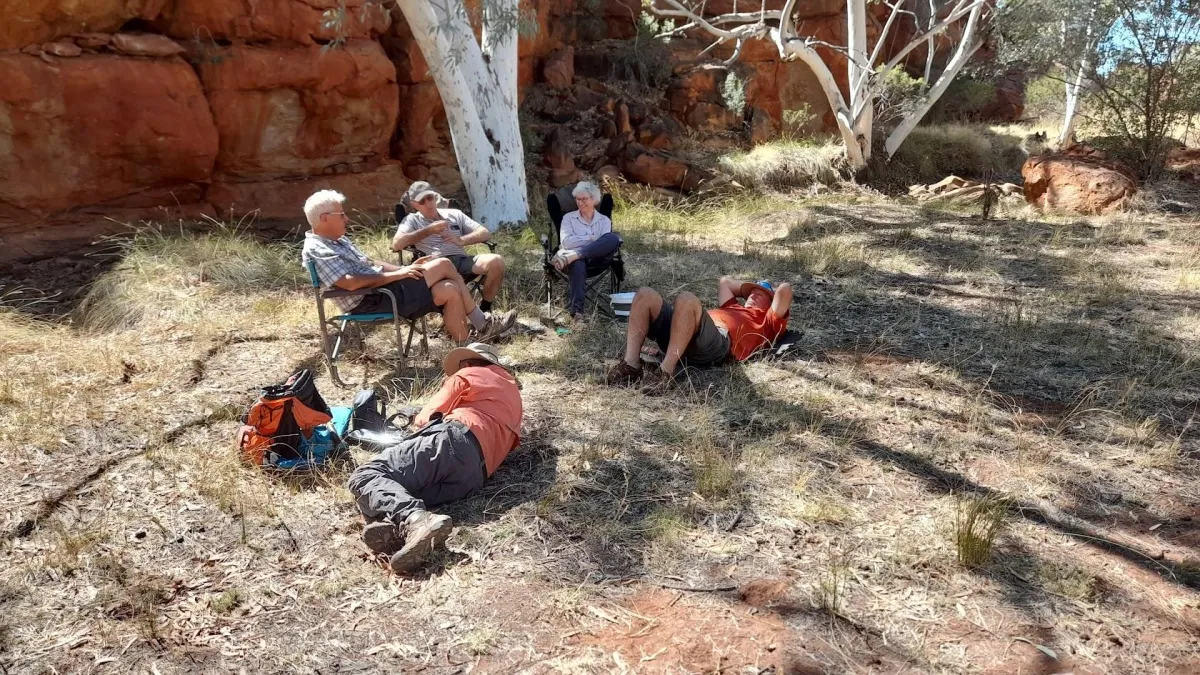
Even if you feel fine build rest stops into your walk. Find shade if you can or at least sit and let your body cool down. Use these breaks to hydrate eat a small snack and check in on how you are feeling.
5. Avoid the Peak Heat Window
Generally from 11am to 3pm the sun is at its most intense. If I am still on a trail during those hours I make sure I am near shelter water and ready to slow right down. No long slogs in open sun during those hours unless you want trouble.
6. Know the Terrain
Some trails are exposed the whole way. Others dip into shaded valleys or follow creeks. Research your route. Talk to locals or guides. Choose tracks that suit your fitness and experience level especially if heat is a concern.
7. Bring Cooling Gear
There are little extras that make a big difference
• A small spray bottle to mist your face and arms
• Cooling towel or neck wrap
• Extra water just for pouring over your head or clothing
• Lightweight emergency shade tarp or umbrella
These things might seem minor but they have saved my energy more than once on long days.
8. Never Go Alone Without Telling Someone
Even the best prepared traveller can run into trouble. If you are exploring solo always let someone know your route and expected return time. Carry a GPS tracker or satellite phone in remote areas. That peace of mind is priceless.
What to Do If You Suspect Heat Exhaustion
If you or someone in your group shows symptoms you need to act fast. Here is what I do
• Stop moving and get into shade or the coolest place possible
• Sit or lie down and elevate the legs slightly
• Sip water slowly not too much all at once
• Remove any tight or heavy clothing
• Wet a cloth or shirt and apply it to the skin
• Fan the person or use a spray bottle
• Stay put until fully recovered or until help arrives
Do not keep going and hope it passes. It won’t. And pushing on can tip someone from heat exhaustion into heatstroke which is life threatening.
Outback Realities You Cannot Ignore
This land is ancient wise and utterly magnificent. But it does not suffer fools. The heat here is not just an inconvenience. It is a force of nature. I have seen people cry from frustration get disoriented from dehydration and completely lose track of where they are because they underestimated the sun.
But I have also seen joy. Relief. Triumph. When you respect this country and walk it properly it becomes one of the most healing and unforgettable experiences you can have.
So learn to move with it not against it. Keep your body cool your mind sharp and your respect high. That is how you travel well out here.
Final Thoughts
Avoiding heat exhaustion is not just about avoiding discomfort. It is about staying safe staying strong and giving yourself the best chance to truly enjoy what the outback offers. Every rock formation bird call and endless horizon means more when you are clear headed and energised.
So pack well move smart listen to your body and treat the heat as part of the experience. Not something to conquer but something to understand. The outback rewards those who listen and punishes those who rush. Keep cool and carry on.
Ready to explore the outback safely and with expert guidance? Join Spirit Safaris for unforgettable journeys led by people who know this land and love it deeply. Whether you are walking ancient trails or cruising remote roads we will help you see Australia’s heart while keeping your safety and comfort top of mind.
Contact us: https://www.spiritsafaris.com/contact/
Book here: https://www.spiritsafaris.com/outback-tours-australia/
Phone: 1300 763 188 or +61 417 244 600


