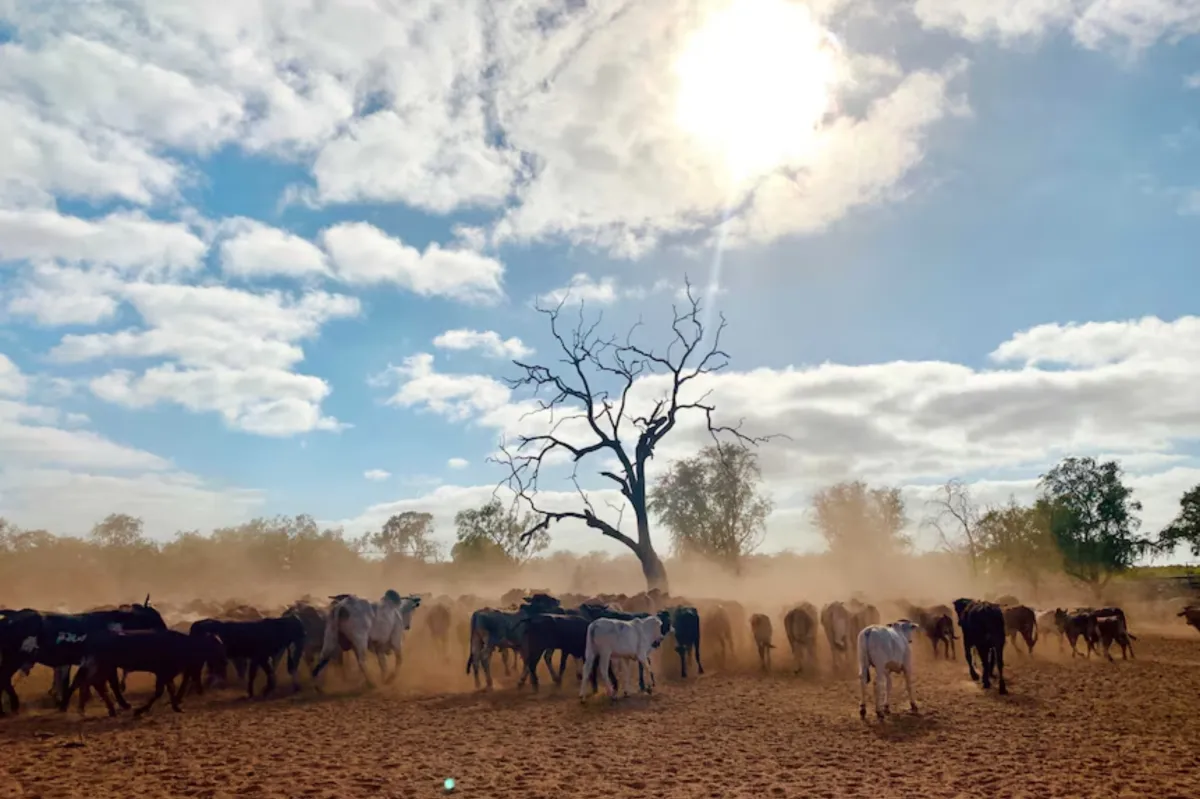
What Should I Know About Outback Cattle Stations?
I remember the first time I stepped onto an outback cattle station. The air was different. Crisp. Dry. And somehow filled with both silence and stories. There were no city sounds no crowded streets just red dirt stretching to the horizon and the distant sound of cattle lowing in the heat.
If you're thinking of visiting a cattle station in the Australian outback or maybe just curious about what life is like out there let me share a few things I have learned. Because these stations are not just working properties they are the beating heart of Australia's rural spirit.
The Scale Will Stun You
When people from the cities hear the word farm they think of a few paddocks maybe some sheep a vegetable patch or two. But in the outback farms are called stations and they are the size of small countries.
Let me give you an idea:
Some cattle stations cover over 10,000 square kilometers
You can drive for hours and still be on the same property
Helicopters and motorbikes are often used to round up cattle
You are not dealing with backyard chickens here. This is serious scale and it commands serious respect.
A Day on a Station is Not a 9 to 5
Out here the sun is your clock and the land sets the pace. Days begin early sometimes before the first light and often end long after the sun disappears behind red hills.
What a typical day might involve:
Checking water bores and tanks sometimes dozens of kilometers apart
Mustering cattle on horseback bike or chopper
Repairing fences windmills and equipment
Managing paperwork and sales
Cooking meals for a team that might include family hired hands and seasonal workers
There is always something that needs doing. And something else that broke while you were doing it.
The People Are Tough but Generous
You do not last long out here if you are soft. The conditions are brutal. Droughts can last years. Dust storms can roll through in the blink of an eye. Isolation can test the strongest of spirits.
But I have never met more generous people than outback station owners and workers.
Expect to find:
Stories told over a cold beer at sundown
Open doors and open hearts especially when you need help
A no nonsense attitude paired with deep knowledge of land and livestock
It is not just hospitality it is survival. You help your neighbor because one day it will be you needing the help.
Indigenous History Runs Deep Here Too
Long before there were cattle stations this land was cared for and understood by Aboriginal communities for tens of thousands of years. And many stations today are on or near culturally significant sites.
If you are visiting a cattle station or staying on one take the time to learn:
The Dreaming stories connected to the land
Rock art sites and sacred places within station boundaries
How traditional knowledge is still used in land care and fire management
This is living history and the more you listen the more you will understand how layered and sacred this land truly is.
Cattle are Not Just Numbers
It is easy to look at a herd of a thousand Brahman or Hereford cattle and just see livestock. But to station families each animal is part of a larger story.
Cattle management includes:
Breeding and bloodline selection for quality and resilience
Ensuring animal welfare especially during heatwaves or drought
Managing land use so pasture and water remain sustainable
Protecting stock from wild dogs pests or illness
There is deep respect for the animals here. Because without them the station would not survive.
You Can Visit or Even Stay on Many Stations
One of the best things in recent years is how many stations have opened their gates to visitors. Whether you are looking for a day visit a working holiday or a full bush experience there are plenty of ways to experience life on the land.
Some popular options include:
Station stays with accommodation in old homesteads or shearers’ quarters
Guided tours that show you how mustering and cattle work really happens
Camping spots on station land with access to trails rivers or gorges
Helping out with seasonal jobs in exchange for food and board
It is a brilliant way to get off the beaten track and into the heart of real Australia.
It is Isolated but Not Disconnected
Yes stations are remote. The nearest neighbor might be hours away. But that does not mean these places are cut off from the world. In fact they are often more connected than you would expect.
You will find:
Satellite internet and radios for communication
Royal Flying Doctor Service coverage for emergencies
School of the Air for children living on stations
A strong sense of community through radio check ins events and fundraisers
The isolation builds independence but also a unique kind of social connection. Outback folk look out for each other.
Weather Rules Everything
Every decision every conversation and every hope on a cattle station revolves around the weather. Has it rained Will it rain When was the last time the river ran
The weather determines:
Cattle health and breeding cycles
Whether feed needs to be trucked in
The condition of the roads and whether deliveries can get through
Whether staff can move cattle or need to sit tight for another week
It is a constant dance with nature and you are never the lead partner.
Final Thoughts: More Than Just a Farm
Cattle stations are more than places where cows roam. They are lifelines for remote communities museums of living culture and symbols of Australia's resilience.
Visiting or staying on a station is not about ticking a box or snapping a photo. It is about listening to stories feeling the weight of silence at sunset and understanding just how big and bold this country really is.
The outback is not for everyone. But for those who are drawn to its red dust and wide skies a cattle station is one of the richest most authentic places you can experience.
Explore the heart of Australia’s cattle country with Spirit Safaris. Learn about outback life history and the people who keep this land alive. Travel with guides who know every track and story of the bush.
Contact us: https://www.spiritsafaris.com/contact/
Book here: https://www.spiritsafaris.com/outback-tours-australia/
Phone: 1300 763 188 or +61 417 244 600


